Within EXL Academy
The prep school route.
A year at a US boarding school can change what comes next. Deng was 18 before he found out it was an option.
What it is
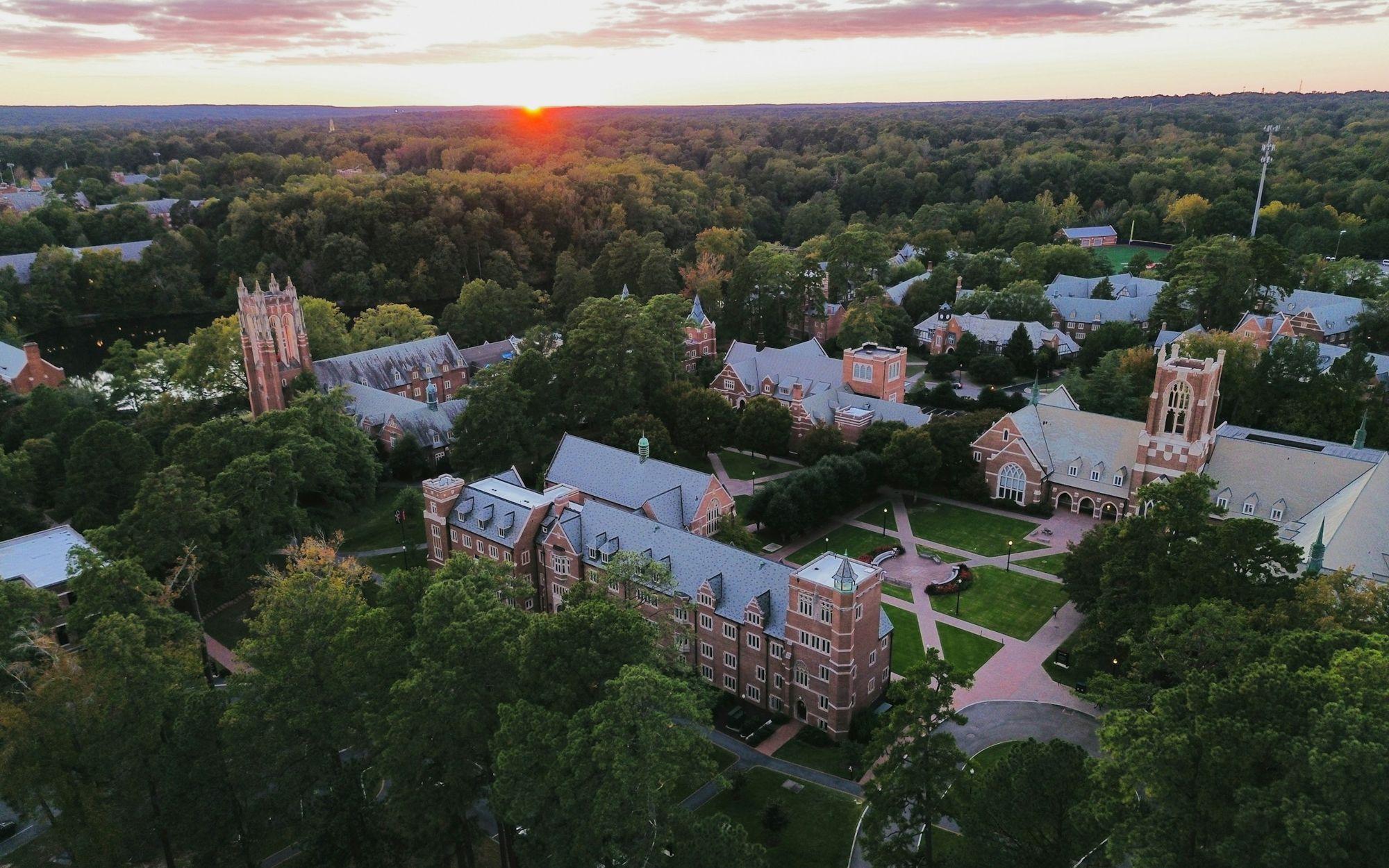
US boarding schools are private secondary schools where students live on campus. Many have serious football programmes. Families can apply for ninth grade entry, for a later grade, or for a postgraduate year, often called a PG year. The PG year is one more year of coursework at a boarding school after graduation and before college.
Why families look at it
- Time to develop. Some athletes use the year to grow physically, sharpen their skills and compete alongside other strong prospects.
- A stronger academic record. Many students take the year to improve their transcript before college applications.
- A way to avoid losing a college year. Some college coaches see a PG year as an alternative to a redshirt year, so the athlete develops without using up college eligibility.
- Independence. Living away from home, in a structured week, is good preparation for college. It is also hard, and some athletes find it lonely at first.
Check each league's rules: some prep leagues limit or do not allow postgraduate athletes.

What it cannot do
- It cannot promise a college offer, a scholarship or playing time.
01
What it costs
Tuition, room and board at US boarding schools runs from roughly $30,000 to $80,000 or more a year, depending on the school. Extras add up: application fees, deposits, travel, insurance and activities. Total yearly cost is often estimated at $52,000 to $90,000 or more, and international students can face $5,000 or more a year in travel alone.
02
Financial aid
Most boarding schools offer need-based aid, not merit awards. At many schools roughly 30 to 40 percent of boarding students receive some aid, and average awards often run from $25,000 to $50,000 a year. Many schools offer aid to international students, though the funding is often smaller. A few schools offer limited merit awards linked to athletics, so ask each school directly.
03
The calendar
Start 12 to 18 months before the year you want to begin. For ninth grade entry, families often start in seventh or eighth grade. A typical regular decision deadline is 15 January, with decisions around 10 March and deposits due around 10 April. Some schools take applications for midyear entry in October and November. Dates differ by school, so check each admissions page.
04
What an application includes
An application form, parent statement, essays, teacher recommendations, school transcripts and an interview. Some schools ask for a test such as the SSAT or ISEE, others use their own assessment or are test-optional. International applicants usually add an English test such as the TOEFL, credential evaluation and visa paperwork. Some schools cap international places.
Who it may suit
- An athlete who is not yet getting the college interest their level deserves and has a year of development left in them.
- An athlete who wants a stronger academic record before applying to college.
- A family who has looked at the cost and still wants the option.
- An international athlete who wants a way into the US recruiting market.
- A family who may qualify for need-based aid.
- A younger athlete (grades 9 to 11) whose family wants strong academics, football and a structured week in one place.
Who it may not suit
- An athlete who is already being recruited at the level they want.
- A family for whom the cost would cause real hardship and no aid is likely.
- An athlete who is not ready to live away from home. That is a fair answer, and a good reason to wait.
How it connects to college
A PG year sits between high school and college. For many families the prep school route and the college route are one plan, not two choices. We look at both together on the consultation.
Deng's year at Berkshire
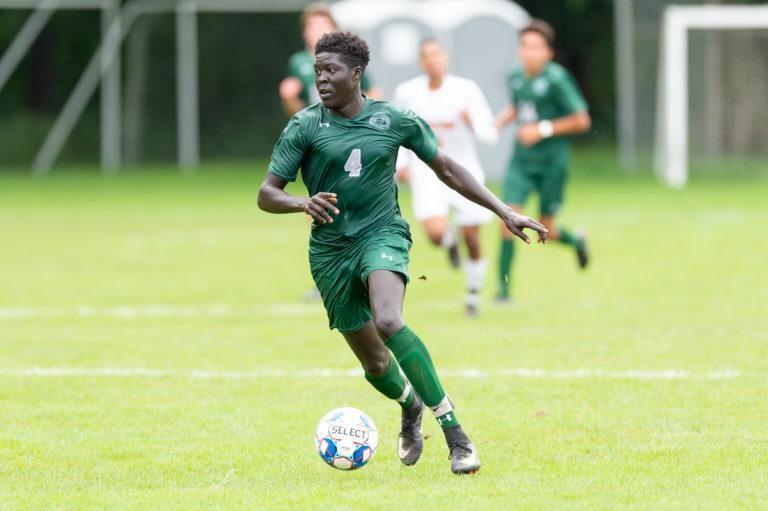
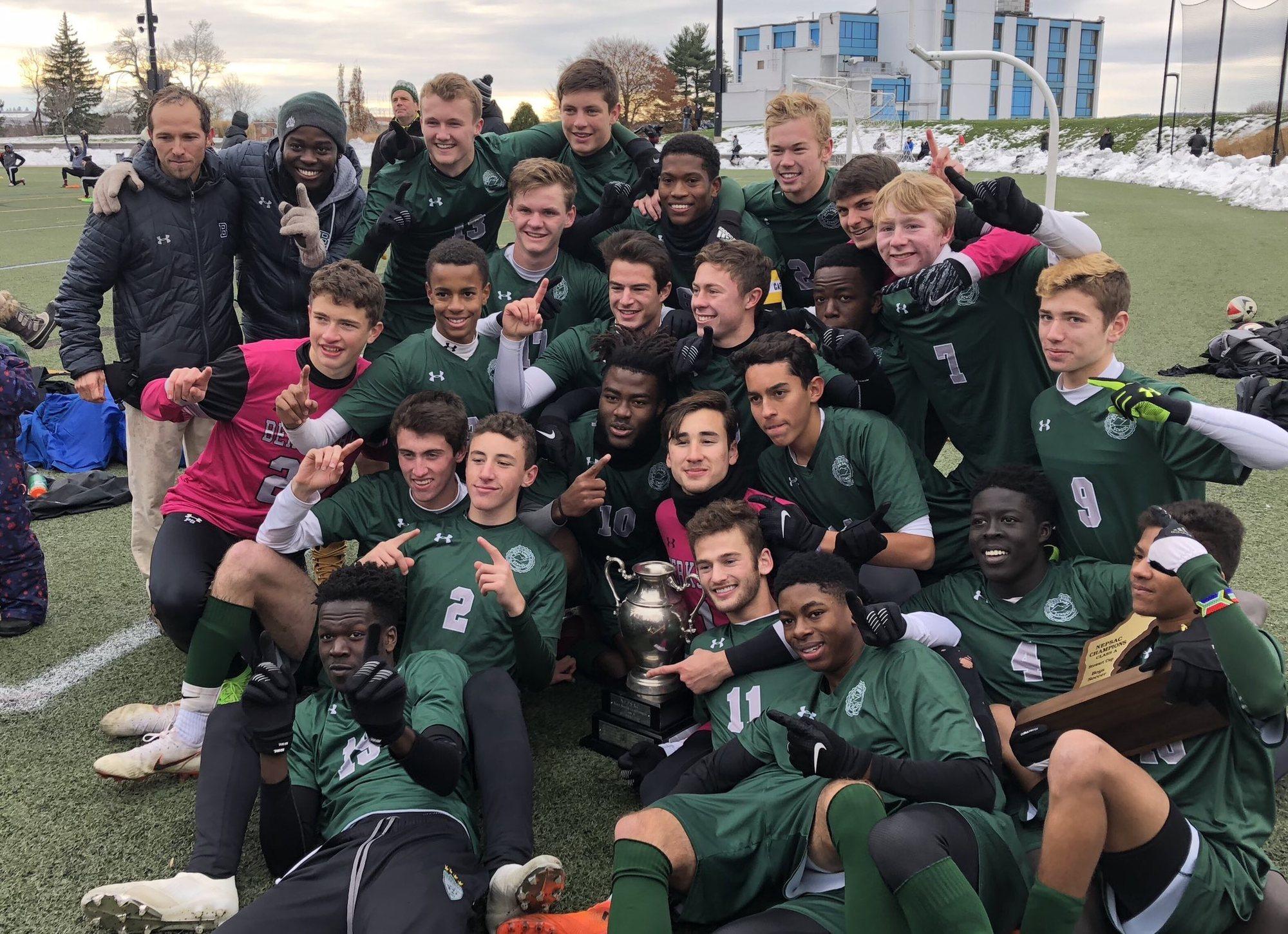
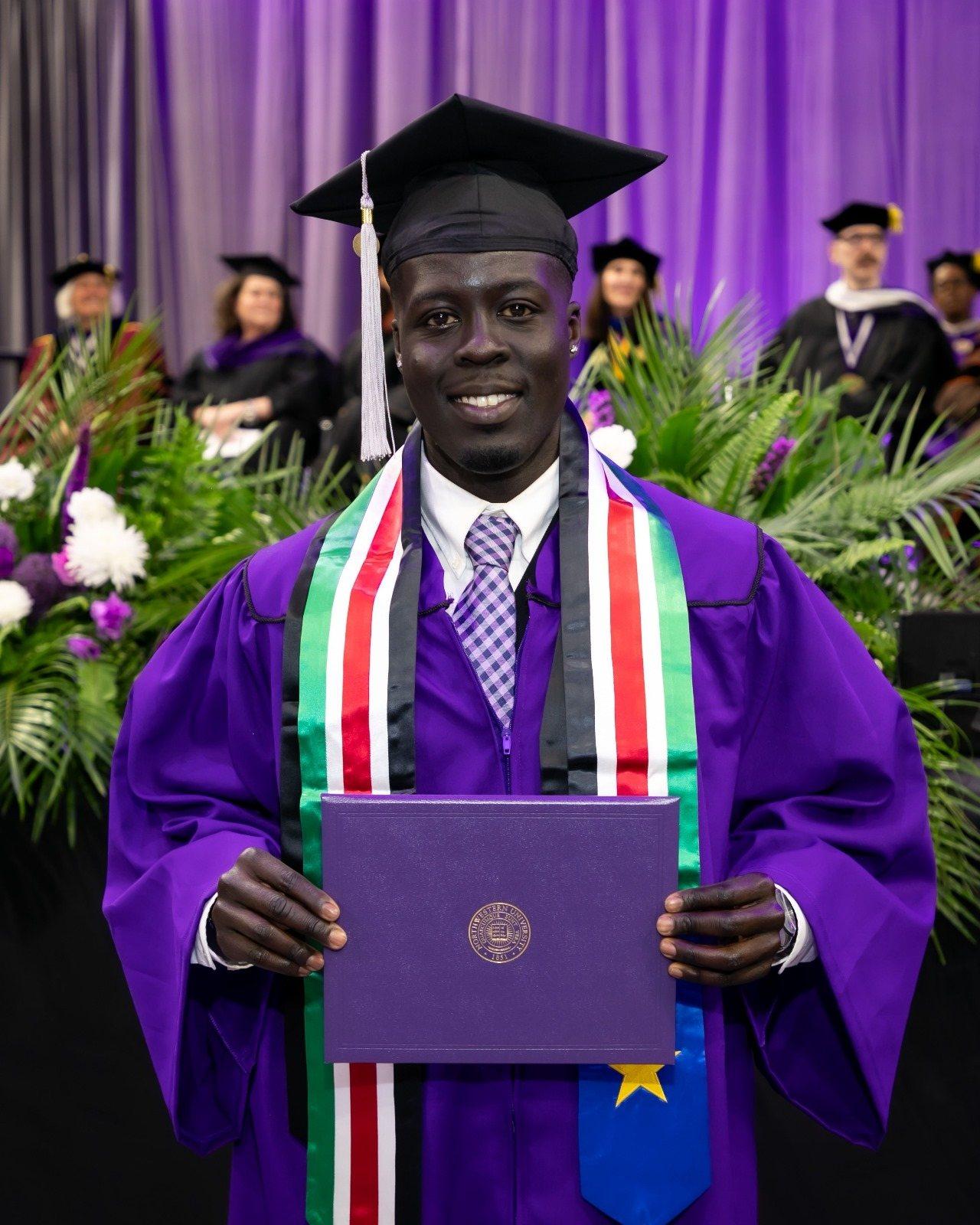
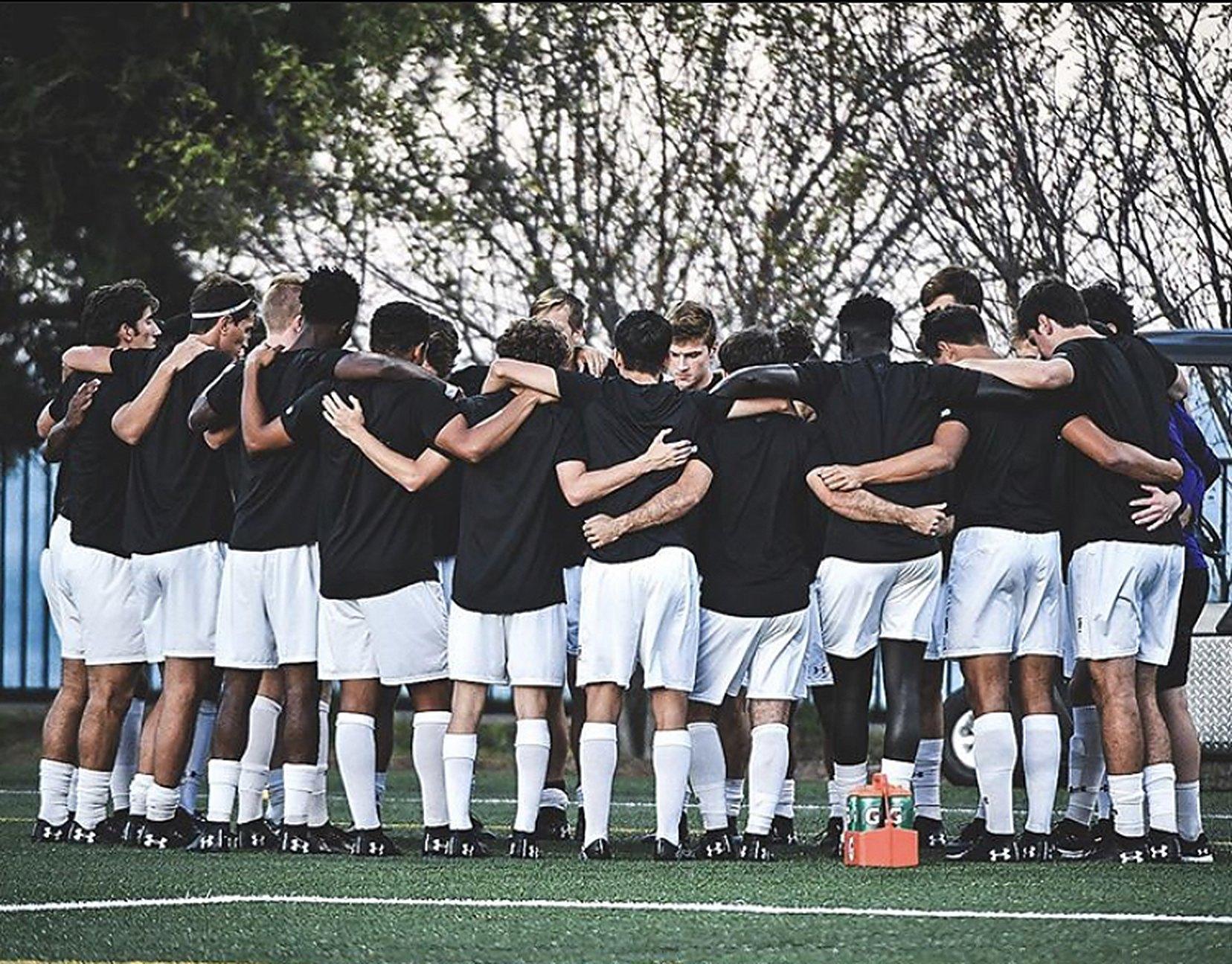
Deng spent a postgraduate year at Berkshire School in Massachusetts. The team went 19-0-0 and won the NEPSAC Class A title. Deng says the year gave him a stronger academic record, independence and a chance to be seen by college coaches. He went on to Northwestern. EXL exists so the next athlete knows this route is there before they need it.
Three key moments

What we do
On a consultation we talk through whether the route fits, which questions to ask a school and a coach, and what to prepare.
What we do not do
- We do not promise admission, aid or a roster spot.
- We do not give visa advice: ask the school and your own adviser.
- We do not share an athlete's video or details without written consent.
- If a school ever paid us for a referral, we would tell you first and in writing.
What EXL charges
$4,800 or £3,600
One application cycle, in three stages.
Assessment and school list $1,200 (£900). Applications and coach outreach $2,400 (£1,800). Visits and decision $1,200 (£900).
This is EXL's fee. School tuition and travel are separate.
The Honest Read: Written Assessment
$125 or £95
An optional written assessment after the consultation. Paid upfront.
The consultation is free. UK families pay in pounds, everyone else in US dollars. Prices checked November 2026 and may change.
Questions families ask
At what age can an athlete start?
Families can apply for ninth grade, for later grades or for a postgraduate year. Schools advise starting 12 to 18 months ahead.
What is a postgraduate year?
One extra year at a US boarding school after high school and before college. Athletes use it to develop, strengthen their record and compete with other strong prospects.
Is it the same as a football academy?
No. It is a school first. Football is one part of the day.
Do boarding schools give football scholarships?
Most aid is need-based. A few schools offer limited merit awards linked to athletics. We will tell you what is realistic for your family.
Can athletes from outside the US apply?
Yes. Visas and paperwork go through the school and your own adviser. We help you ask the right questions, and we do not give immigration advice.
My child is under 18. How does it work?
A parent or guardian joins every call, and every message includes you.
Is it worth it?
For some athletes, yes. For others, going straight to college is better. That is what the consultation is for.
Ask about the prep school route.
Tell us where you are and what you are working towards. We will tell you what we see.
Book a consultationFree, 30 minutes, on Google Meet or WhatsApp. Parents join for athletes under 18.